LVT, or Luxury Vinyl Tile, has become one of the most adaptable flooring options for Sutton Coldfield homes and commercial buildings. It gives the appearance of wood or stone while offering comfort, warm underfoot feel and a level of durability that works for both family life and busy workplaces. After more than four decades installing LVT flooring Sutton Coldfield, from offices in Mere Green to detached homes in Four Oaks, we have seen how much difference the right subfloor preparation, adhesive choice and wear layer make to long term performance. This guide is based on what genuinely works in real buildings rather than just brochure notes.
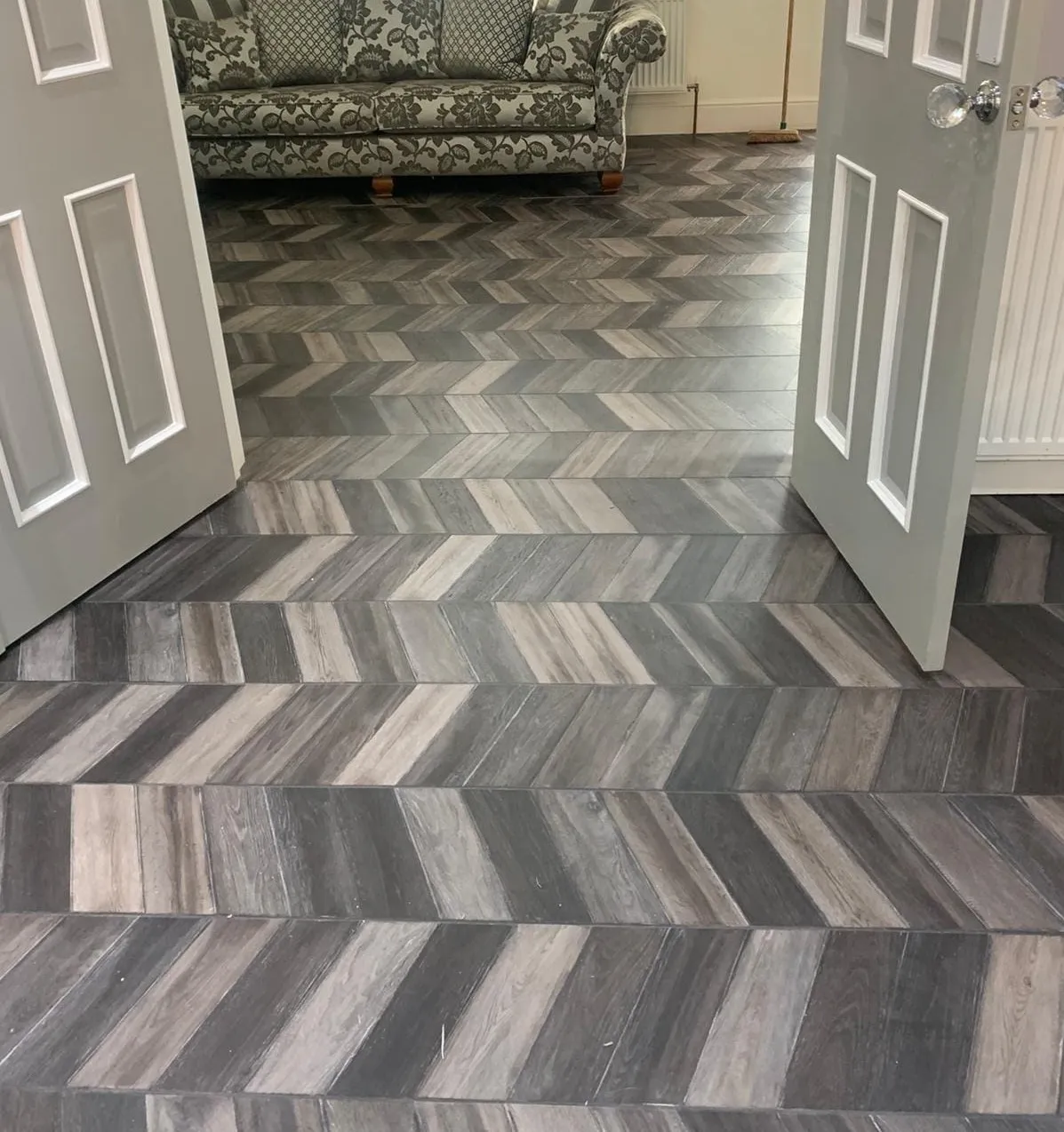
Every piece of LVT is made from layered vinyl. A stable backing layer keeps it flat. A printed film carries the wood or stone effect. A transparent wear layer sits on top and protects the surface. The reason LVT has become so popular is not just the appearance. It is the way these layers behave over time. Wood can shrink in winter and swell in summer. Laminate can swell at the edges if moisture finds its way in. Ceramic stays tough but transfers every impact into noise and discomfort.
LVT solves several problems at once. It stays stable without seasonal movement, it does not take on moisture in kitchens or bathrooms and it reduces noise in open plan spaces, clinics and offices. In Sutton Coldfield businesses where castor chairs or wheeled trolleys are constant, we usually recommend a thicker wear layer. A 0.55 mm wear layer is a common choice because we know from experience that it handles heavier use without showing fine scratch lines under bright LED lighting.
Many people assume the main benefit of LVT is appearance. In practice, the day to day comfort often ends up being the biggest change. One homeowner in Hill Hook recently told us they had never realised how much noise their old laminate made until the new LVT went down. The same applies to ceramic. Once a kitchen or hallway is switched from tile to LVT, the echo disappears and the space feels warmer even without underfloor heating.
LVT also helps compensate for older floors that are not perfectly flat. Many Sutton Coldfield homes built before the 1990s have slightly uneven concrete bases or timber floors with minor movement. Once levelled and reinforced where needed, LVT lays flat and stays flat. These preparation stages are often missed by installers working to the quickest possible turnaround, which is why many “two year old” LVT floors fail. The failures usually trace back to moisture readings that were never taken or levelling that was skipped.
There are huge design choices with LVT, but the ones that make the most difference are not always the obvious ones. Plank orientation can change how a room feels. Running planks towards the main window usually hides joints and gives a more natural look. Where businesses want a tidier, more uniform finish, we often use wider planks with a soft texture because they scatter light more evenly across the surface.
For commercial spaces such as waiting rooms or salons in Sutton Coldfield, mid tone colours with subtle variation hide foot marks and reduce visible wear. For family homes with pets, textured finishes help disguise claw trails and small scratches. These small decisions mean the surface still looks good even when the building is working hard.
Most issues with LVT do not come from the product. They come from what happens underneath. We always conduct moisture testing with a hygrometer because many older Sutton Coldfield houses still have concrete bases that hold moisture. When readings are too high, a liquid damp proof membrane is applied before levelling. This prevents adhesive failure and bubbling that can appear months later.
Timber floors need attention too. If a floorboard or chipboard layer moves even slightly, it can transfer into the LVT surface above. To avoid this, we secure the base with ply or fibreboard and fill joints to create one stable surface. In bright rooms with bi fold doors, we use high temperature adhesives because sunlight pushes room temperatures higher than most people expect. Offices with large south facing windows often need the same approach.
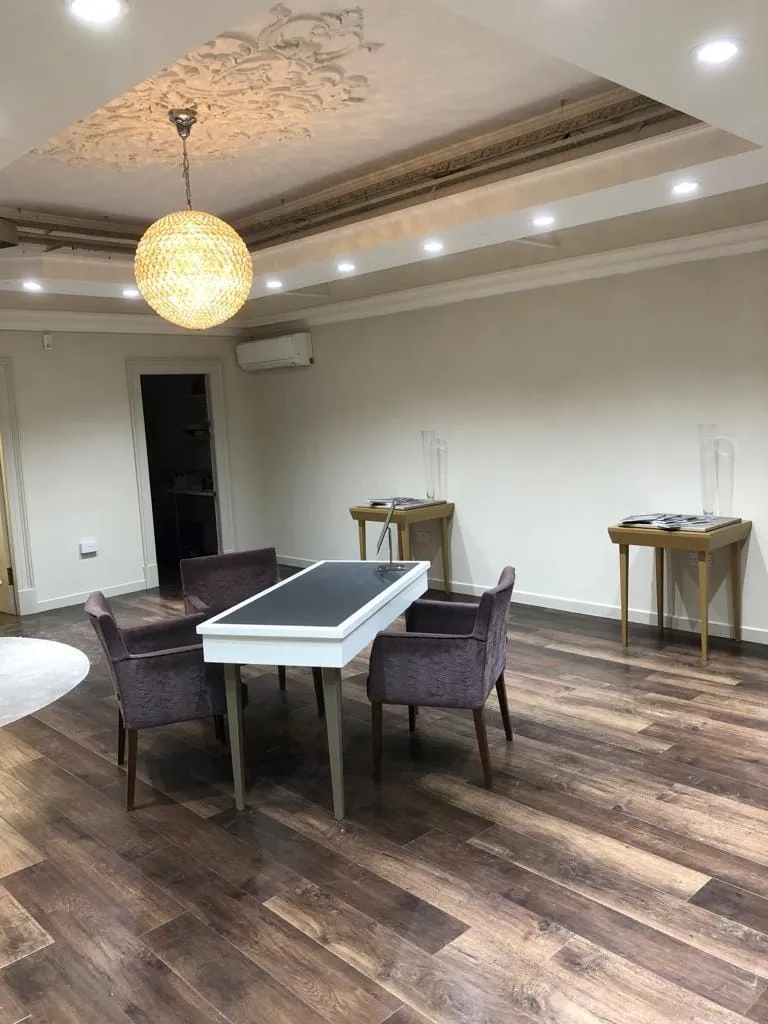
LVT is easy to maintain, but good routines extend its lifespan further. Regular sweeping removes grit that can dull the wear layer. A neutral cleaner prevents build up without leaving residue. In commercial entrances, proper zoning with entrance matting removes the majority of sand and grit that would otherwise track across the floor. Matting is one of the simplest ways to double the life of the floor in corridors and reception areas.
Most modern LVT ranges meet strict indoor air quality standards and are low VOC. We pair them with water based adhesives that produce very low odour. For commercial projects or larger developments, we can supply environmental documentation for schemes such as BREEAM. This is often required for schools, healthcare settings and public buildings in Sutton Coldfield.
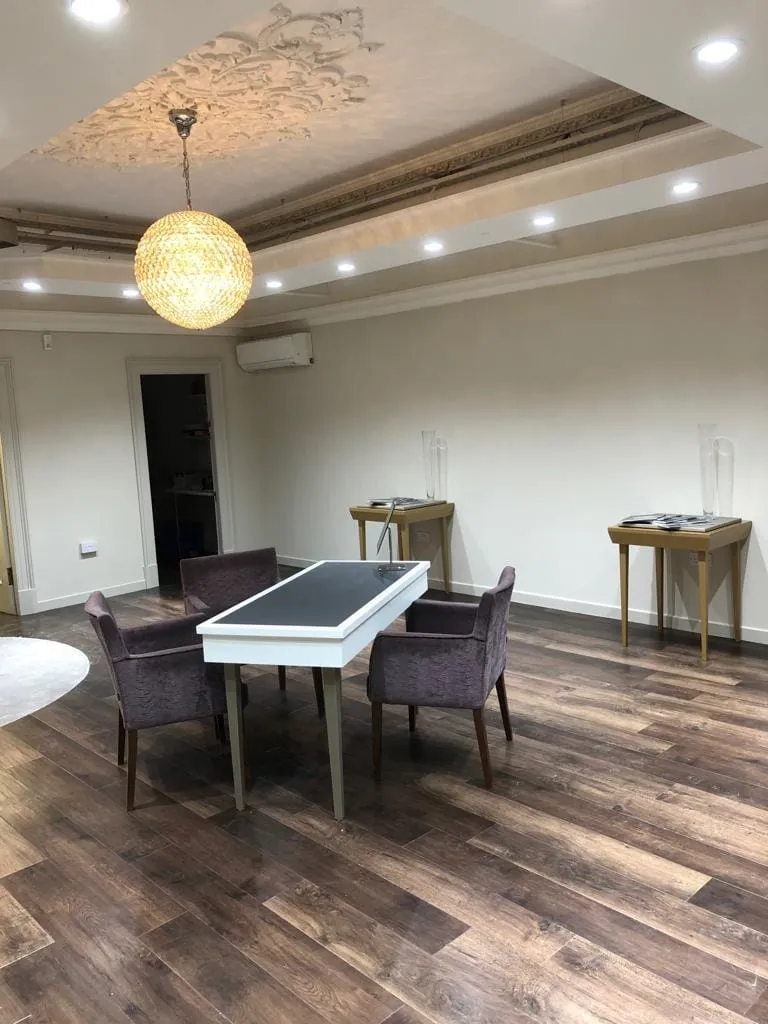
The company wanted a surface that looked professional but could handle constant castor chair movement. We installed a durable wood effect LVT with acoustic backing. Staff noticed an immediate reduction in chair noise and a cleaner overall feel.
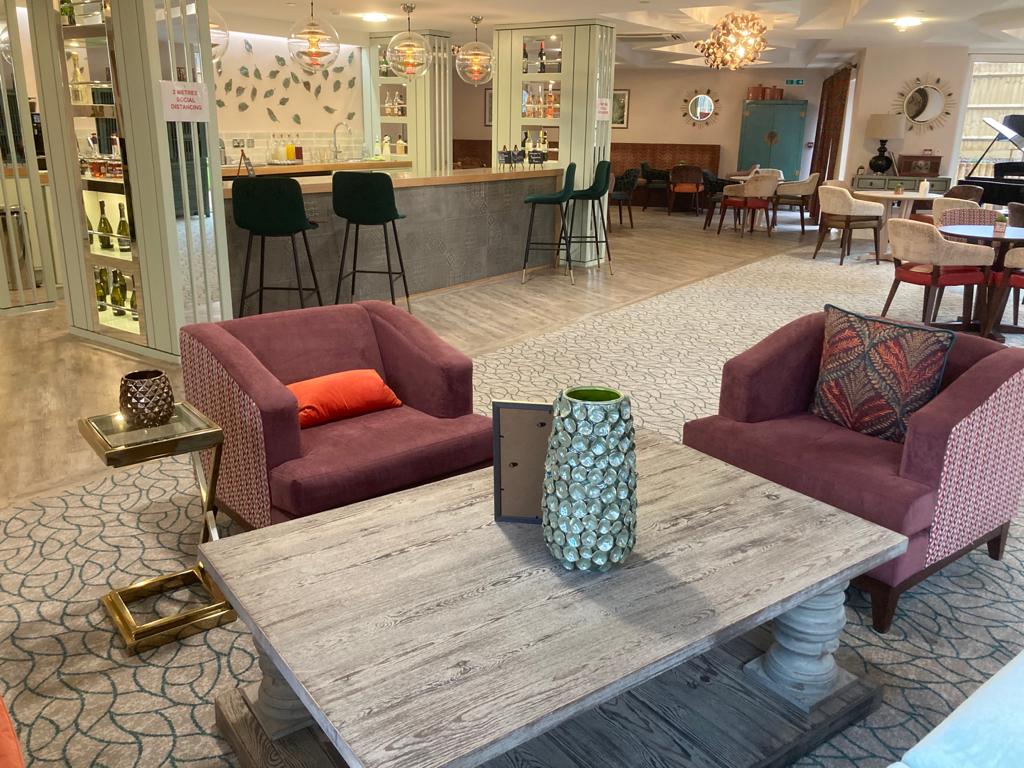
The clinic needed a hygienic floor that felt warm for patients. We installed stone effect LVT with coved skirting and a reinforced adhesive system for the sun facing entrance. Cleaning times dropped because mopping became quicker and more effective.
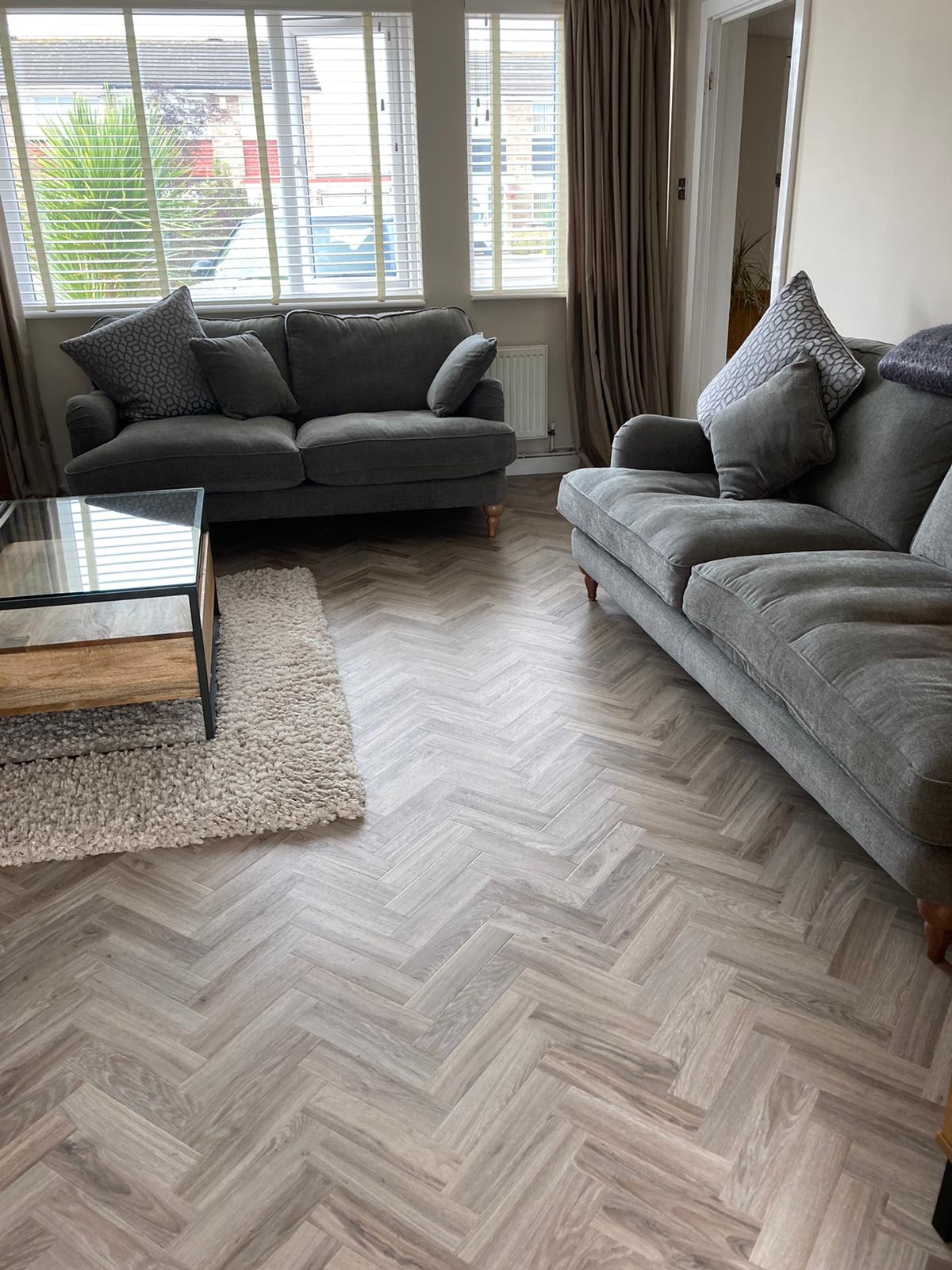
The clients wanted a timber look without the gaps and maintenance of wood. We levelled the original floor, installed wide plank LVT throughout the ground floor and aligned it with the main window to make the room feel deeper. The new floor has stayed stable through seasonal temperature shifts.
To see more examples of recent work please see our gallery here.
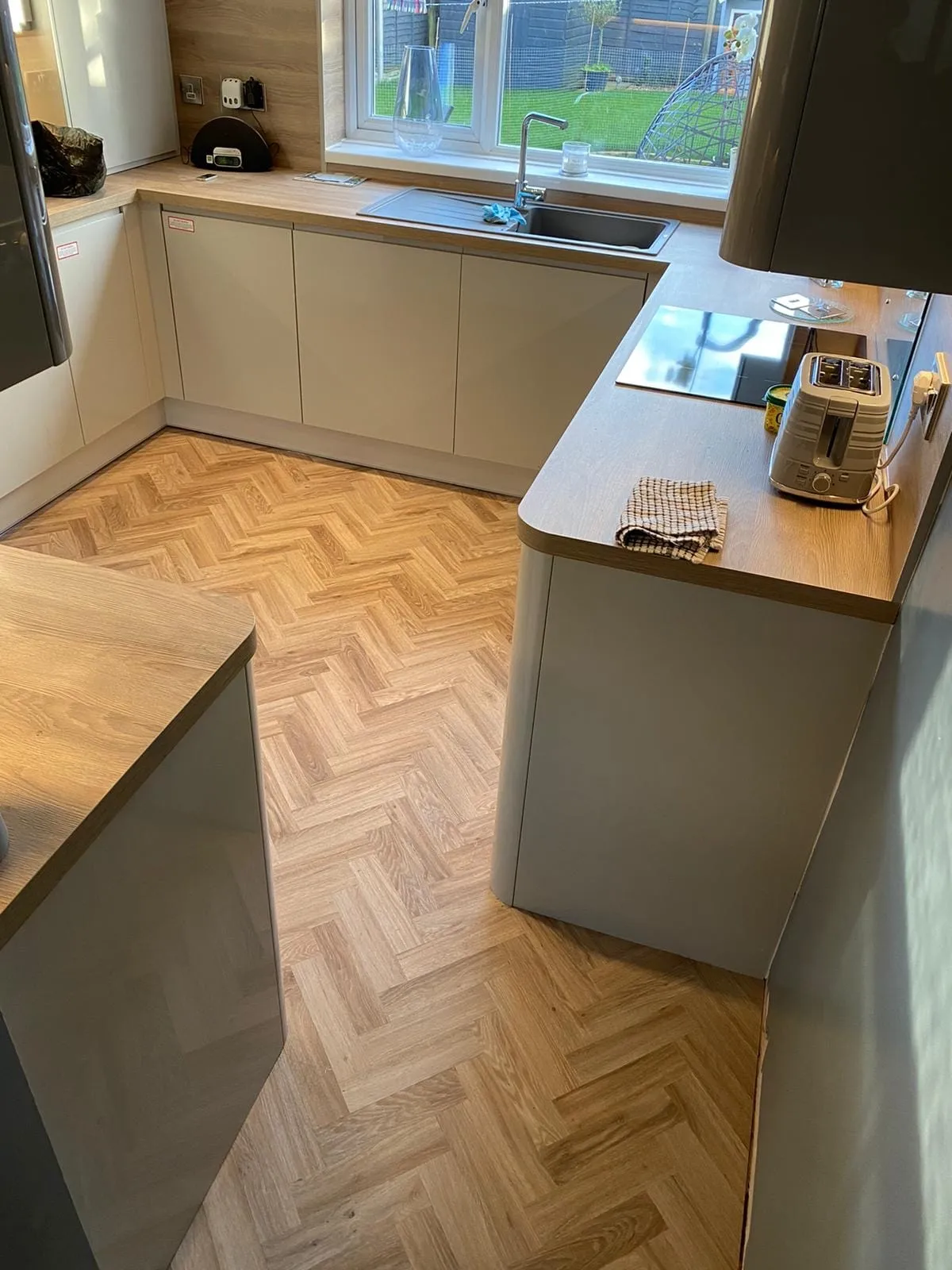
In homes, LVT is ideal for kitchens, lounge diners, bathrooms, hallways and bedrooms. In commercial sites, it works well in offices, clinics, classrooms, salons and reception areas that need durability, an attractive appearance and simple cleaning.
We bring more than forty years of hands-on experience fitting LVT in both domestic and commercial buildings. Every project begins with proper moisture testing and a full subfloor assessment so nothing is left to guesswork. Our installers are manufacturer trained and DBS checked. We offer genuine design advice based on how the building is used, not just on what looks good in a sample book. Pricing is itemised and straightforward and we provide practical aftercare guidance once the work is complete.
If you are considering LVT Flooring Sutton Coldfield for your home or business, we can help you choose a system that suits your layout, footfall and long term plans. We bring samples, check the subfloor, explain preparation options and provide a clear, no obligation quote.
Call 07432 153015 or use the online contact form to arrange a free site visit.