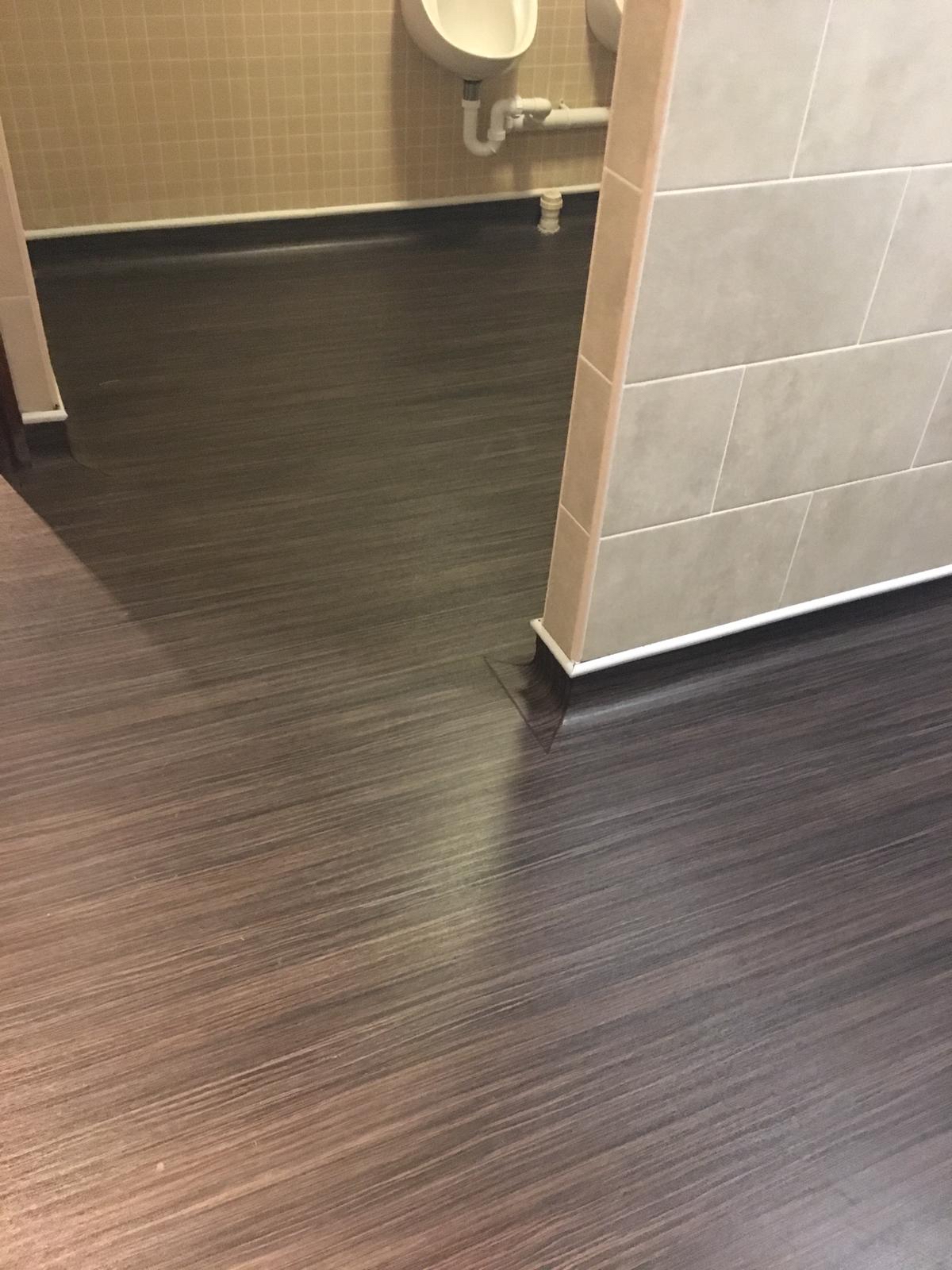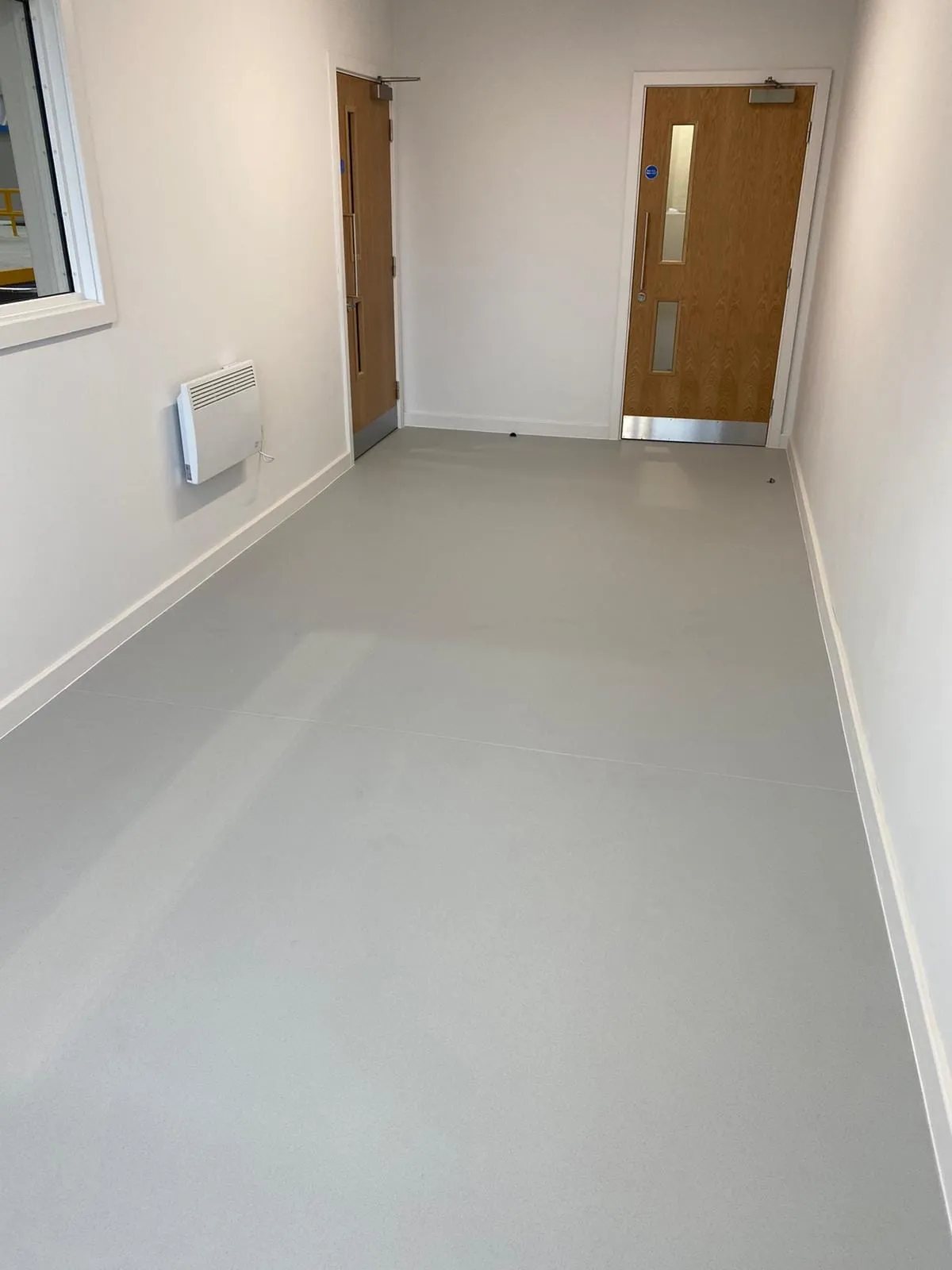
Safety flooring does more than tick a compliance box. It reduces real-world slips, speeds up cleaning, and lasts under tough use if you choose and fit it properly. We’ve been installing safety floors around Solihull for over forty years, from care homes in Knowle to busy kitchens in town, and the jobs that keep performing have three things in common. The right product for the risk, the prep done right, and a cleaning plan that keeps the grip working day to day.
Slips and trips are one of the UK’s most common workplace injuries, which is why the HSE puts so much emphasis on flooring choice, cleaning methods, and simple controls like zoning and keeping wet floors out of use until dry. Floors left damp after mopping are a classic cause, and barriers work far better than warning cones that people walk straight past.
Under UK standards, the pendulum test is the accepted way to check a floor’s slip resistance. A wet Pendulum Test Value (PTV) of 36 or higher is considered low slip risk in normal use, which is a good benchmark when choosing or auditing safety flooring.
Here’s what we look for before recommending any product.
Slip performance that lasts: Kitchens and wet areas need higher grip. R12 safety vinyls with PTVs in the mid-50s are built for oil, fat, and flour underfoot. Altro Stronghold 30 is one we use often because it holds its traction for years.
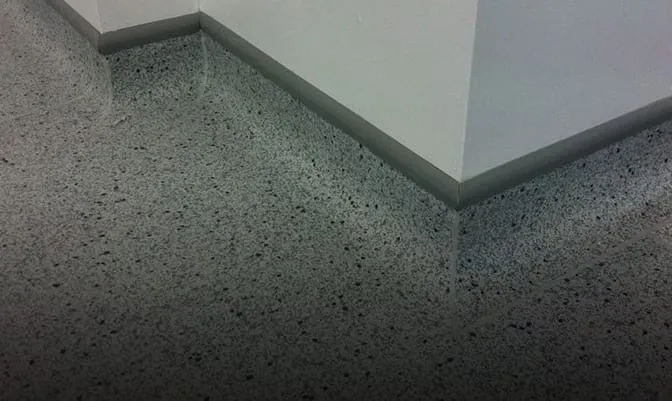
Built to standard: For PVC safety floors with embedded particles, look for compliance with BS EN 13845. It ensures consistent slip resistance over the product’s life.
Fit for the contamination: Commercial kitchens often suit heavy-duty R12 sheet like Polysafe Apex, while offices and entrances can use R10 or R11 where water is the main risk.
Cleaning that supports the grip: The wrong detergent or poor rinsing can leave residue that reduces friction. Planning the right method keeps your slip resistance working long term.
Seam-welded safety vinyl with coved skirting creates a hygienic, waterproof surface. It’s ideal for areas that need frequent cleaning and disinfection.
R12 safety vinyl with aggregates and heat-welded seams provides grip even in wet, greasy conditions. Staff report fewer near-misses and better confidence moving around.
Slip-resistant vinyl in corridors, toilets, and canteens makes a noticeable difference. The welded finish stops dirt building up, cutting cleaning time for caretakers.
Textured safety vinyl or safety LVT looks professional and reduces the risk from wet shoes. It’s smart, simple to maintain, and long-lasting.
Rubber safety flooring absorbs impact, stays grippy, and cleans easily. It’s quieter underfoot and great for high-traffic, wet areas.
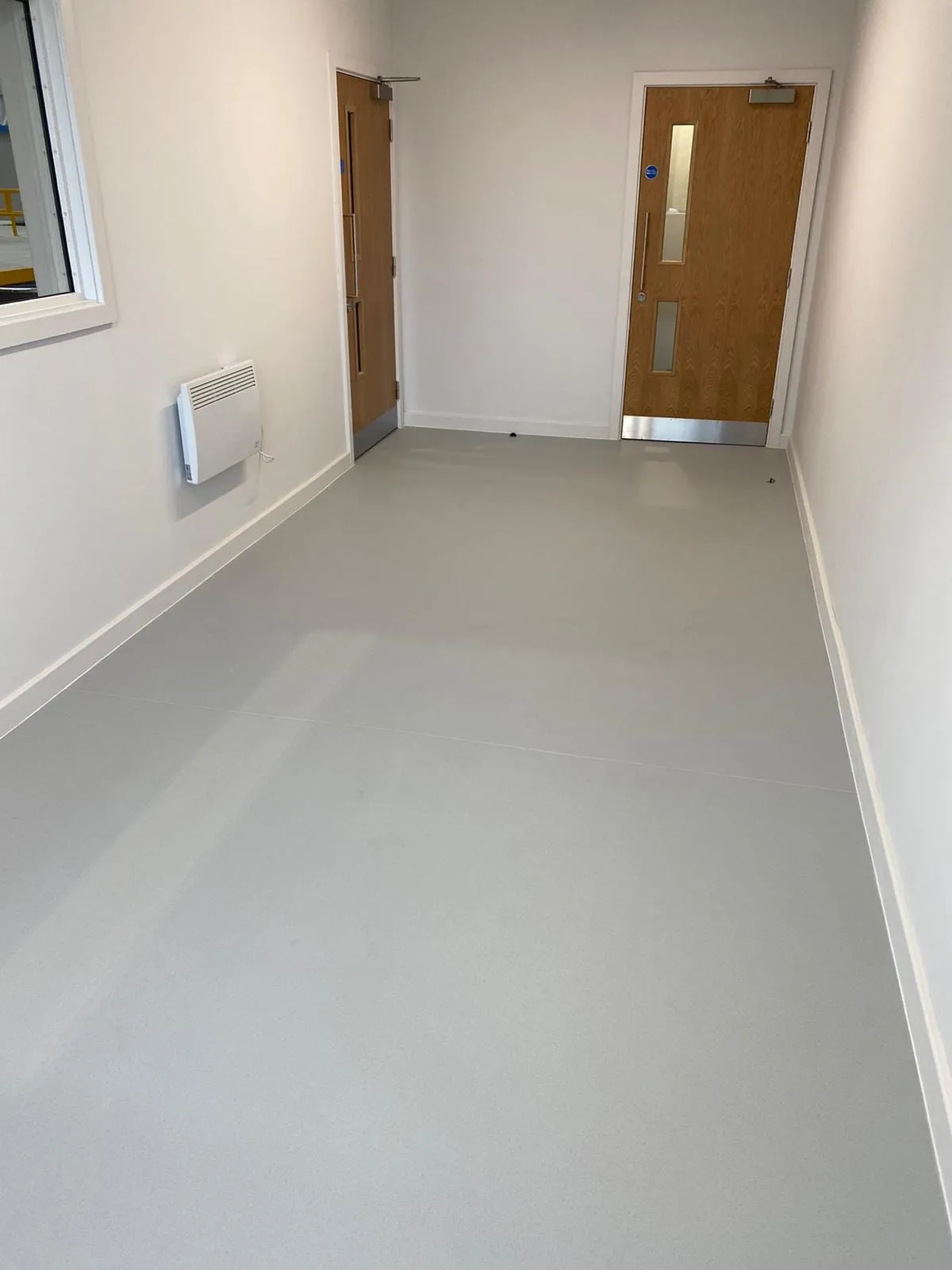
We replaced a worn sheet with R12 safety vinyl, welded throughout and coved up the walls. Staff recorded zero slip incidents in the first three months and said cleaning took about 35% less time thanks to the new layout.
Old lino was swapped for cushioned safety vinyl. Noise dropped noticeably, and the caretaker said lunchtime clean-up was twice as quick.
We fitted R12 vinyl in the back-of-house kitchen and formed it neatly into drainage channels. Chefs reported instant confidence walking during service, even with spills, and post-fit testing showed wet PTVs in the 50s.
For more examples from recent projects, please see our gallery here.
Most Solihull safety flooring projects cost between £45 and £80 per m², including adhesives and welding. Kitchens with coving and complex layouts sit at the higher end due to extra detailing. Resin or epoxy flooring for industrial spaces tends to cost more upfront but often saves money over 5–10 years.
If you receive a quote that seems low, check what’s included. Many cheaper options skip important prep steps like moisture control or levelling, which can cause early failures.
Before installation, we always test concrete with a hygrometer. If moisture levels are high, we install a damp-proof membrane and smoothing compound. In sunlit buildings, we use high-temperature adhesives so the edges don’t lift or bubble in the heat.
These small details stop future problems and make sure the warranty stays valid.
Daily – Sweep or vacuum to remove grit, then mop with a neutral cleaner. Rinse thoroughly to avoid leaving residue.
Weekly – Machine scrub high-traffic areas and entrances. Check coving and joints.
Quarterly – Deep clean using a scrubber dryer and inspect grip levels.
Annually – Reassess slip performance, especially in wet areas.
With the right care, most safety floors easily last ten years or more even in busy environments.
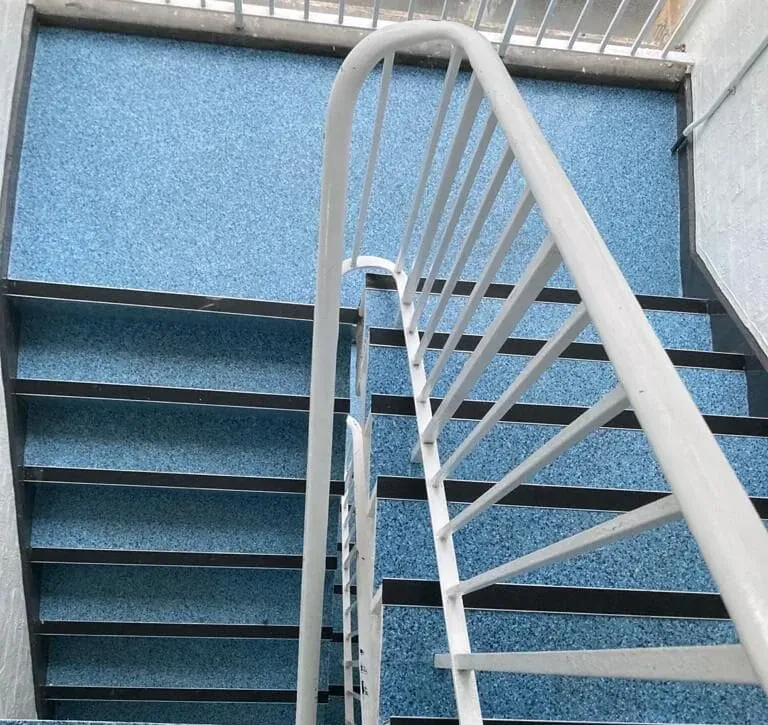
We work with manufacturers that prioritise sustainability. Many of the floors we install are low-VOC, phthalate-free, and fully recyclable. Suppliers like Altro and Polyflor now run take-back schemes that recycle old flooring into new products. We also use water-based adhesives whenever possible to keep installation odours low and indoor air clean.
Every local building has its quirks. Older offices in the town centre often have damp concrete that needs a membrane. Newer builds in Blythe Valley usually need specific primers for full adhesion. We plan for those things before they cause issues.
All installations are carried out by our own trained fitters, not rushed subcontractors. We leave every client with maintenance guidance and a floor built to perform for the long term.
If you’d like to book a free quote or site inspection, call Stansbie Flooring on 0121 356 5858 or fill out our online enquiry form. We’ll help you choose the safest, most practical flooring for your Solihull workplace.